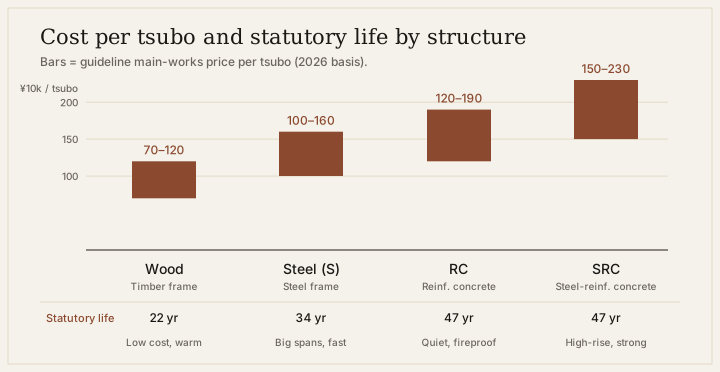
A reinforced-concrete (RC) home in Japan runs ¥1.2–1.9 million per tsubo — roughly 1.5–2× the cost of timber. That premium is not a markup; it is the cumulative result of materials, code requirements and on-site labour. Break the price into six components and it becomes clear where the money goes — and where you can cut intelligently.
How much does it cost to build a reinforced-concrete house in Japan? In Osaka, an RC home runs about ¥1.2–1.9 million per tsubo (≈ ¥360k–570k per m²), main construction, ex-tax — roughly 1.5–2× timber (¥0.7–1.2M). Tsubo rates vary widely depending on whether they cover only the main build, site and utility works, or design and financing fees, so compare quotes on the same scope.
Part of the guide: RC homes in Osaka
1. Formwork & curing — a "factory" for a single house
RC is cast in place: crews build massive formwork, tie the rebar, pour wet concrete, then cure it for about four weeks before stripping the forms. Formwork, props and shoring alone cost ¥150,000–200,000 per tsubo. Because every house has a different shape, the forms cannot be reused dozens of times the way they are on a high-rise, so there is almost no economy of scale. The site is also tied up during curing, and those idle days flow straight into overheads. The biggest saving here is a simpler, near-cubic box that raises the form-reuse rate.
2. Rebar & placement — a seismic code that is strict by world standards
Japanese law mandates structures that survive a seismic intensity of 6-plus to 7, so rebar quantities run well above those of a comparable house in a low-seismic region (the tonnage comes from the structural calculation and is itemised in our estimate). Steel is sold by weight, so more rebar feeds directly into material cost. Thick bars at tight spacing are also labour-intensive to place: tying, securing cover depth and passing the rebar inspection all add man-hours. Steel prices move with global markets, so the timing of your contract can swing the figure by hundreds of thousands of yen.
3. Concrete quality — design strength of 24–30 N/mm²
Our RC residences specify 24–30 N/mm² high-strength concrete as standard — a high grade for housing. Higher strength means more cement, adding 5–10% to material cost, and pours during extreme summer or winter incur a seasonal surcharge to protect quality. Over time concrete carbonates and lets the rebar rust, so cover depth and water-cement ratio govern its lifespan. Quality control — compression tests on sample cylinders and the like — is also priced in.
4. Structural calculation — required for RC of two storeys or more
A timber two-storey house (up to 300 m²) can still be designed to prescriptive rules such as the wall-quantity check after the April 2025 amendment, but an RC building of two or more storeys or over 200 m² requires full structural calculation (allowable-stress design and similar; Building Standards Act Article 20). Buildings that need more advanced routes 2 and 3 — those over 20 m tall, for example — are also subject to a third-party structural conformity review (peer check). The calculation and application documents take design time and fees, which show up in schedule and cost. In return you get calculated proof that the building will not collapse in an earthquake — reassurance that also supports resale value and mortgage approval.
5. Craftsmen's labour
An RC site brings in more specialist trades than timber — form carpenters, steel fixers, concrete crews, plasterers, waterproofers — each in sequence. Because the trades run in series, one delay ripples through the whole schedule, and curing waits and idle days multiply. Japan's construction workforce is ageing and shrinking, so wages rise every year and labour cost trends upward. The flip side: a design that keeps the sequence simple and avoids rework cuts cost directly.
6. Waterproofing & finishes
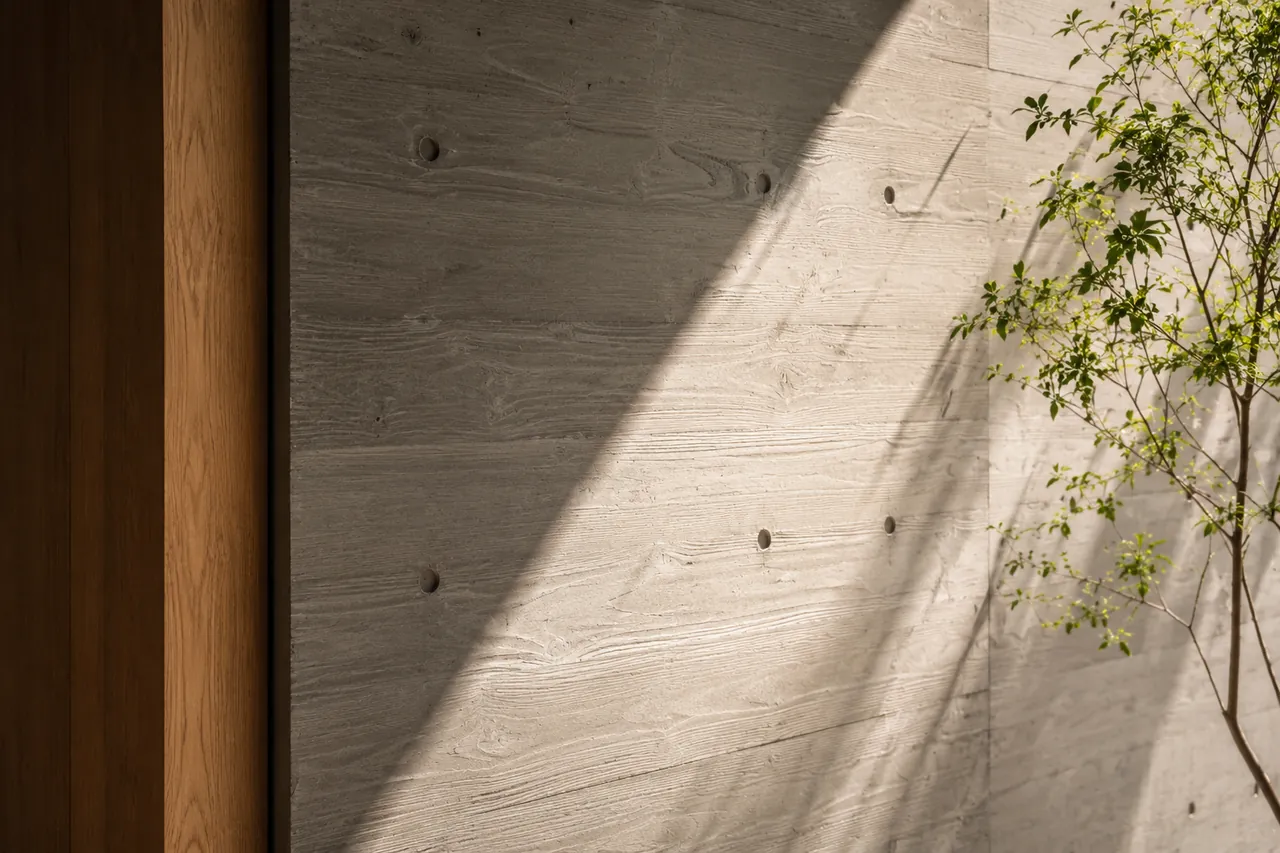
Concrete is porous and will not shed rain on its own. It needs a multi-layer build-up — external insulation, a ventilation gap, a waterproof membrane and coating — adding ¥80,000–120,000 per tsubo. A flat roof in particular makes the waterproofing layer decisive for the building's life, with a re-waterproofing cost every 10–15 years. Exposed-concrete finishes look superb but commit you to ongoing maintenance such as re-applying water repellent and patching spalling.
Breakdown of a ¥1.5m/tsubo RC home (40-tsubo example)
| Temporary works & foundation | 14% |
| Structure (rebar, formwork, concrete) | 32% |
| Exterior & waterproofing | 10% |
| Interior & joinery | 18% |
| Services (electrical, HVAC, plumbing) | 16% |
| Overheads & site management | 10% |
Four ways to optimise cost by 20–30%
Once you understand the price structure, you can see what to trim and what to protect. (1) Keep the plan and section simple to raise the form-reuse rate; (2) limit structurally demanding wishes such as basements, long spans and cantilevers; (3) use a mixed structure — RC ground floor with a timber upper floor — to compress the frame cost; (4) steer the early budget toward structure and insulation, since fixtures and interior grade can be upgraded later. These four moves alone shift 20–30% of the total. Cutting seismic, waterproofing or insulation is the one thing to avoid — it always returns as future repair bills.
Rather than "RC is expensive, so give up," break down where the money goes and what can be trimmed first — and a 20–30% optimisation usually comes into view.
Common RC pitfalls and cost-overrun risks
RC isn't just expensive up front — it's also prone to unplanned add-ons. Here are the typical risks and how to avoid them.
| Risk | Prevention |
|---|---|
| Overlooked ground improvement (soft soil + RC's weight can add millions of yen; if found after start it also disrupts the schedule) | Budget for it via a soil survey before you start |
| Rework from the structural review (findings force redesign and re-filing, inflating time and cost; longer still where a conformity review applies) | Bring in the structural engineer early and plan around the review |
| Exposed-concrete defects — honeycombing, colour unevenness (repairs stay visible; redoing is costly) | Enforce formwork precision, a pour plan, and on-site pour supervision |
| Spec changes after start (far costlier in RC — the frame must be redone) | Lock the spec in detailed design; hold a 5–10% contingency |
How to budget including these add-ons is covered in how to prevent budget overruns.
We'll compare wood vs RC costs for your project.
Request a cost comparison