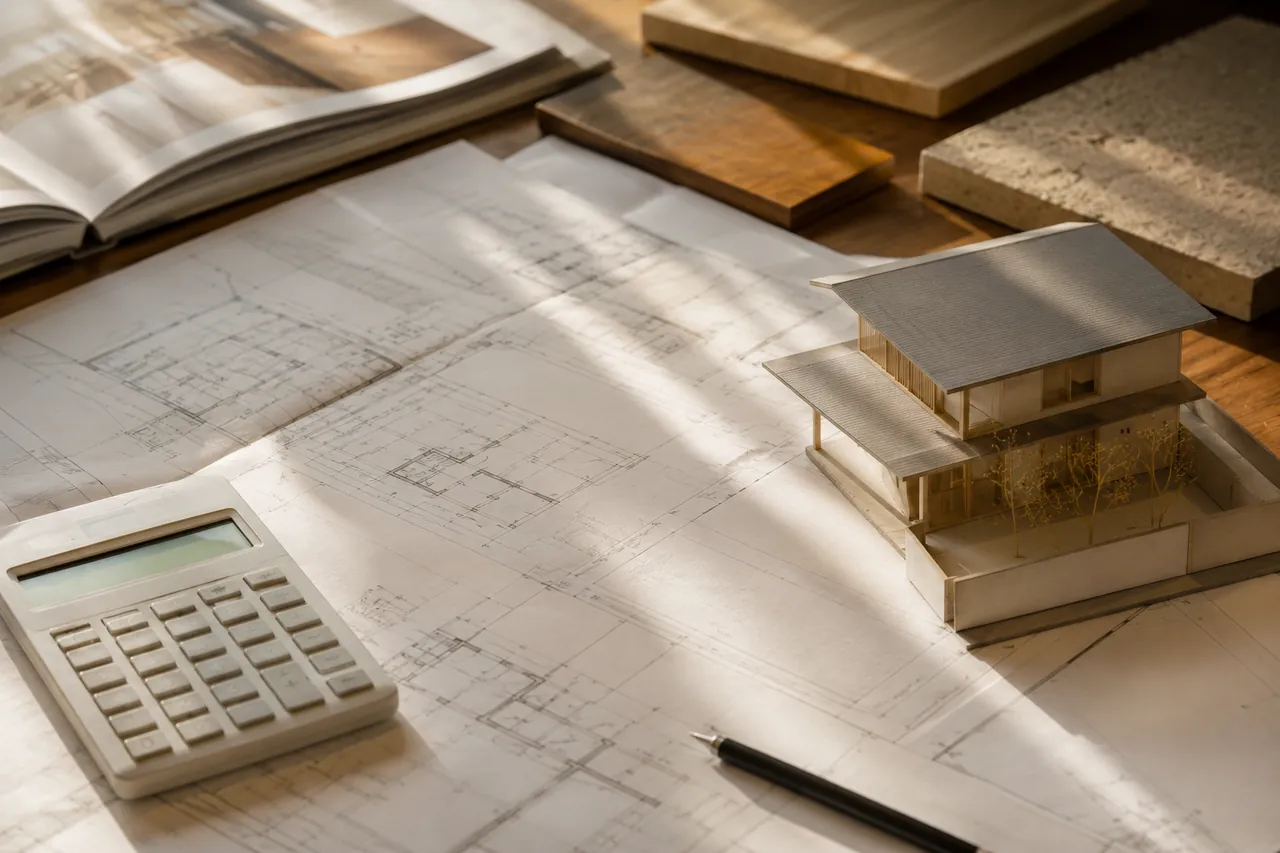
Is a Japanese estate home an asset? Not an investment product — but with the right location and build quality, value holds. RC structure, seismic performance and energy grade 6 all lift resale assessment; Osaka rental yields run a guide 4–6%.
"Will a luxury home in Japan be a good investment?" It is the question overseas owners ask most. The honest answer up front: a home itself is not an investment product like stocks or bonds. But with the right location and build quality its value holds up well, and combined with currency, rent and tax it becomes a perfectly rational asset to hold. Below, across seven lenses, we set out with numbers what protects value and where the returns actually come from.
1. The line between living and investing
Many overseas owners want a home that is both to live in and to invest in — and the two pull location choice in opposite directions. For pure living, location is taste (view, quiet, schools); for pure investment, location is numbers (rental demand, liquidity, the pool of future buyers). To satisfy both, first narrow to locations that are easy to rent or sell later, then optimise comfort within that set. A suburban mansion chosen purely on personal taste, only to find almost no buyers at resale, is the single most common regret.
2. The reality of value retention
The building depreciates; the land moves on a different logic. The table below is a guide to the market value of the building portion, and the residual after 20 years varies sharply by structure.
| Structure | Statutory life | Building value after 20 yrs |
|---|---|---|
| Timber detached | 22 yrs | 0–30% (land value holds) |
| RC residence | 47 yrs | 30–60% |
| Condominium (RC) | 47 yrs | 40–70% (depends on management) |
Land, however, is valued separately, and in prime central areas it can rise 20–50% over ten years. So a home's investment quality comes down to how much the building's depreciation is offset by land and location. Even timber holds total value well on a top-tier plot, while suburban RC can fall in total if the land slips. That is why you should look at the land before the building's spec.
3. Rental yield guide (2025)
The starting point is gross yield (annual rent ÷ price), but net yield — after property tax, management, vacancy and repairs — is typically 1–2 points lower. Treat the figures below as gross-yield guides only.
- Osaka city condominium: 4–6%
- Tokyo central condominium: 3–5%
- Ashiya / Nishinomiya luxury rental: 4–5%
- Shinsaibashi / Namba commercial: 5–7%
- Kyoto machiya short-stay (operation required): 8–15% (but hard to run)
The high yields of minpaku (short-stay) or machiya operation rarely materialise as shown, given operating fees, occupancy swings and recent regulatory tightening (see the Osaka example elsewhere on this site). Residential lets offer lower but far more predictable yields with less vacancy risk.
4. How to think about capital gains
Areas with redevelopment and improving transport — Osaka's Shin-Imamiya and the Expo/Yumeshima zone, Tokyo's Shibaura, Fukuoka's Tenjin — trend upward in land value, while suburban detached housing in shrinking-population areas tends to stay flat or drift down. Most of the capital gain is decided by which area you pick. Aim not for places already expensive but for places where people and infrastructure are about to gather. Redevelopment plans, new stations, and new universities or hospitals are clues to land prices five to ten years out.
5. Three exit strategies
Deciding how you will exit before you buy keeps your decisions steady while you hold. There are three broad exits.
- Hold and let: stable 4–6% yield, useful for inheritance planning
- Sell: hold over five years for the ~20% long-term capital-gains rate
- Gift: lifetime gifting as inheritance-tax planning (needs a plan)
Tax on a sale changes sharply with holding period: a short-term sale (held five years or less) is taxed at about 39%, a long-term sale (over five years) at about 20% (both rough figures including the reconstruction surtax etc.). A few months' difference in holding period can nearly double the rate, so the timing of a sale is the crux of strategy. If inheritance is in view, model early with a tax accountant whether lifetime gifting or continued holding is better.
6. Currency risk and opportunity
A yen-denominated asset makes currency a second profit-and-loss factor for an overseas owner. USD/JPY can move ±10–20% a year. A weak yen favours the buyer (a bigger property, more yield for the same dollars); a strong yen favours selling and remitting. Receiving rent in yen and reinvesting in yen effectively removes the currency exposure; if you remit home, forward contracts and staggered timing dampen the swings. When you convert back to your currency matters almost as much as which property you buy.
7. Yen mortgages in practice
Yen mortgages for overseas owners without permanent residency remain difficult. Only some foreign, trust and regional banks (Tokyo Star, SMBC Trust, Shinsei and the like) lend, and on tough terms — 50%+ down, 2.5–4.5% interest, and Japanese income or life-insurance requirements. A corporate borrower, a domestic guarantor, or existing assets in Japan improve your odds. In reality a cash purchase is the fastest route, but if you want leverage, confirm financing is available before you start hunting for a property.
Japanese real estate is a market you win not with flashy capital gains but with the combination of currency, prime-area selection and the tax system. Designing on a ten-year horizon is the right approach.
Send us your drawings or plot info and we'll estimate the budget.
Get a free estimate