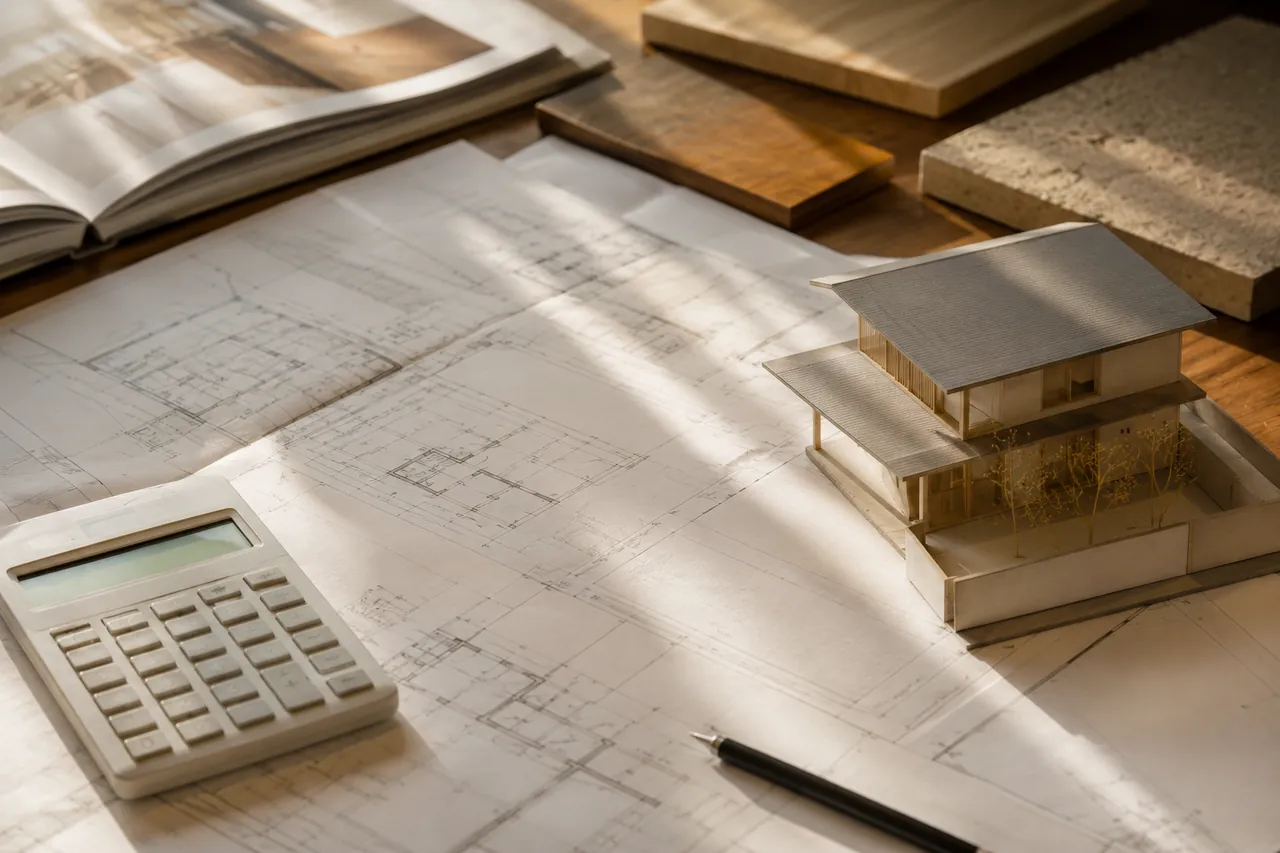
What now for lodging investment after Osaka's minpaku freeze? New minpaku applications stopped in June 2026; existing licences stay valid and transferable, so licensed properties are gaining scarcity value. New entrants realistically go via the hotel business licence — five minutes from a station, on inbound-tourism ground.
Part of the guide: Hotels & lodging investment in Osaka
"I want to invest in lodging in Osaka — but I hear minpaku has stopped." Since the 2026 rule change this is the most common enquiry. The honest answer: lodging investment has not ended; the entry point has simply shifted from minpaku to the hotel-business licence. Below, across six lenses, we set out what changed, which format is now realistic, and how to design the payback.
1. What changed in June 2026
Osaka City stopped accepting new minpaku (private-lodging business) applications from June 2026. It is easily misread: only new applications have stopped.
- New licences: unobtainable (you can no longer start a new minpaku)
- Existing licences: remain valid, can keep operating, and can be transferred with the property
As a result, existing properties with a licence have gained scarcity value as an asset that cannot be reproduced. A new entrant must either succeed an existing licence or take the separate hotel-business route. This is not deregulation but a tidying-up — and a culling of unlicensed, grey operations.
2. Minpaku vs simple lodging vs hotel
| Category | New licence | Operating days | Character |
|---|---|---|---|
| Private lodging (minpaku) | Stopped in Osaka | 180 days/yr cap | Existing only · scarce |
| Simple lodging (hotel business) | Available | No limit | Small-scale · relaxed front-desk rules |
| Ryokan / hotel (hotel business) | Available | No limit | Full operation · best for scaling |
The deciding axes are the cap on operating days and the front-desk/facility requirements. Minpaku is capped at 180 days a year, putting a ceiling on occupancy, whereas a hotel-business licence (simple lodging or hotel) has no day limit and can run year-round. In exchange, the requirements grow heavier on both the building and operations — zoning, fire safety (automatic alarms, guide lights), and a front desk or reception. Simple lodging suits small scale; the hotel format suits scaling and year-round operation.
3. The hotel-business licence is the realistic route
With the minpaku path closed, anyone newly entering lodging should treat the hotel-business licence (hotel or simple lodging) as the realistic option. There is no annual cap on operating days, and once front-desk and facility requirements are met, full operation is possible. The key is to design or renovate the building to the hotel-business standard from the start — converting use later brings unexpected costs in fire safety, evacuation and party walls. It pairs well with new builds and major renovations and suits owners aiming to hold long-term and scale. Conversely, succeeding an existing minpaku licence is scarce but carries a price premium.
4. Location strategy: inbound and station-close
Osaka's lodging demand is firm on the inbound recovery. Favourable conditions are the Namba, Shinsaibashi, Tennoji and Shin-Imamiya areas, within a 5-minute walk of a subway station. Occupancy turns on airport access (Kansai, Itami) and proximity to the tourist flow (Dotonbori, Osaka Castle, USJ, and Yumeshima after the 2025 Expo). Even within one area, the real walking time from the station exit and the steps you drag a suitcase over make a difference. The pricier the land, the higher the room rate you can charge, so yield cannot be judged by land price alone.
5. How to think about payback
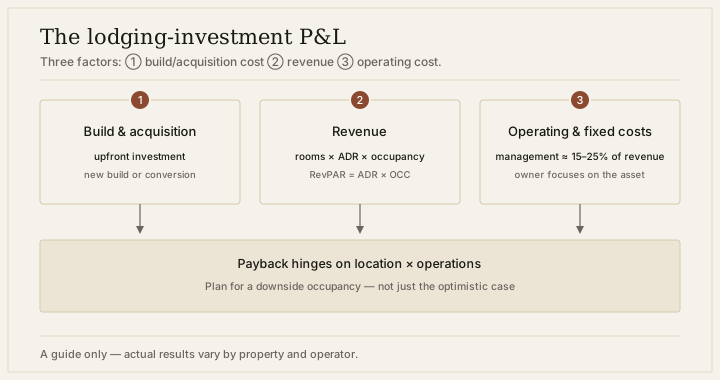
Lodging economics come down to three factors: (1) build/acquisition cost, (2) rooms × average daily rate (ADR) × occupancy (OCC), and (3) operating-management and fixed costs. An RC 10-storey-class building typically holds 30–80 rooms, and the product of occupancy and rate (RevPAR) is the real substance of revenue. Operation is usually outsourced to a specialist (roughly 15–25% of revenue), letting the owner focus on holding the asset. Payback years swing widely with location and operating skill, so do not plan on bullish occupancy alone — check your repayment headroom if occupancy comes in low.
6. New build or renovate an existing property
There are two roads. (1) Acquire a licensed existing property and renovate (the scarce minpaku licence can be inherited, but the price is higher), or (2) new-build or major-renovate under a hotel-business licence (free design, long-term hold, year-round operation). Renovation has a shorter schedule and lower upfront cost, but the existing frame makes added fire-safety, seismic and party-wall costs hard to predict. A new build costs more upfront but lets you optimise room efficiency, sound insulation and circulation from the start. We have delivered several lodging facilities in Nishi, Naniwa and Tennoji wards, handling everything from site selection and hotel-business requirements to design, construction and handover.
The rule change is not the end of lodging investment but a tidying of the rules. Now that the axis has shifted from minpaku to the hotel business, a construction partner with design capability and a delivery track record matters more than ever.
Get advice on the inn licence and buildability together.
Ask about feasibility